
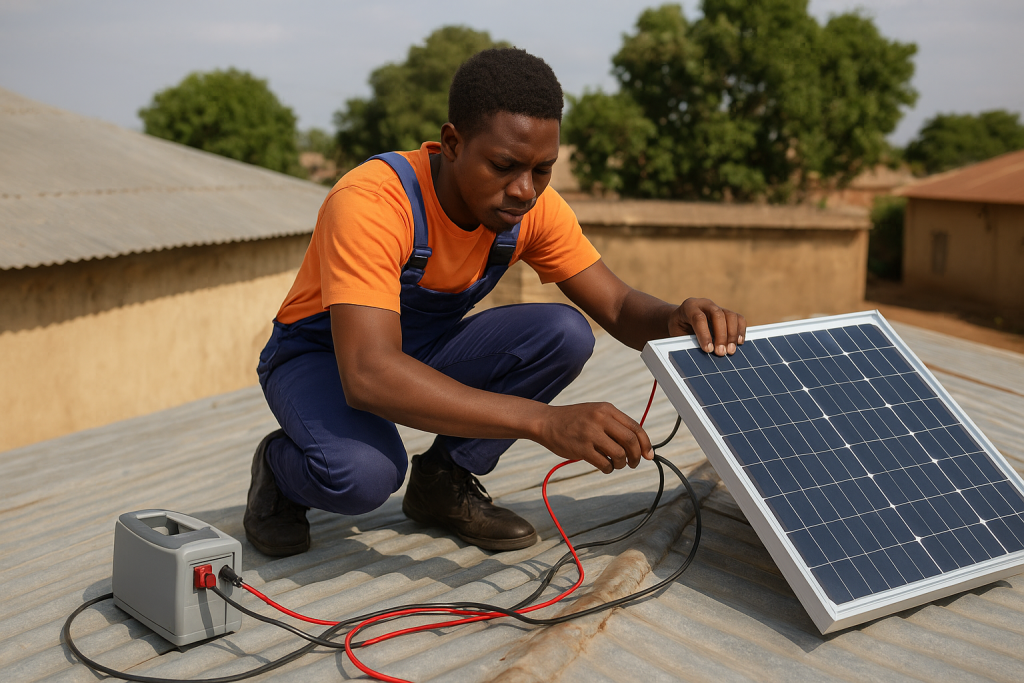
ano, Nigeria – In a city where the hum of generators often drowns out conversations and where power cuts have become a way of life, a new solution is quietly emerging. Young people in Kano are now being trained to install solar power systems—an initiative spearheaded by AHAHKAZ Health and Empowerment Initiative in collaboration with Engausa Tech Hub.
The training, which commenced on August 16, 2025, is part of a broader five-week program designed to empower youths with practical, employable skills. For the solar stream, participants will learn how to harness sunlight into electricity that can power homes, shops, schools, and small businesses.
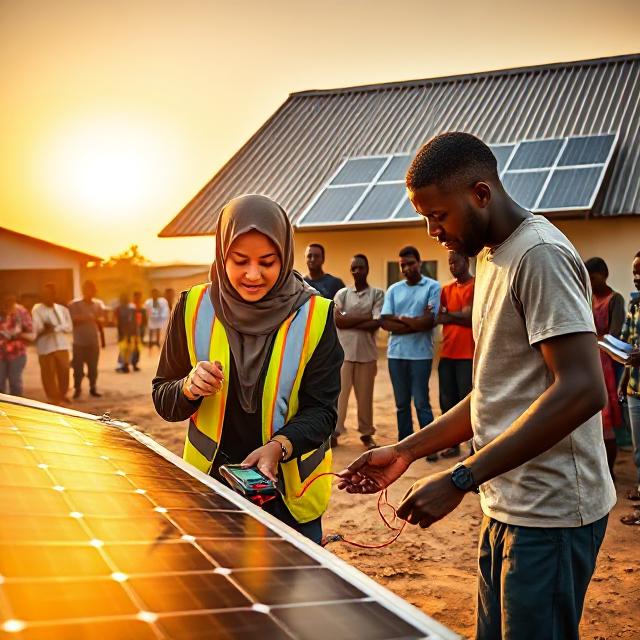
This course could not be timelier. Nigeria’s electricity grid has long struggled to meet demand, leaving millions without reliable power. In many urban and rural communities, families spend more on petrol and diesel for generators than on food. Solar power—clean, renewable, and increasingly affordable—is becoming the answer.
“This training is not just about technical skills; it’s about creating solutions,” said one facilitator during the orientation. “Each youth who learns solar installation becomes a light bearer for their community.”
For individual participants, the benefits are immediate. A graduate can set up a small business installing panels for homes or providing off-grid solutions for shops and schools. Others may find employment with renewable energy companies that are rapidly expanding across Nigeria. Instead of being trapped in unemployment, these youths now have a skill that translates directly into income and impact.
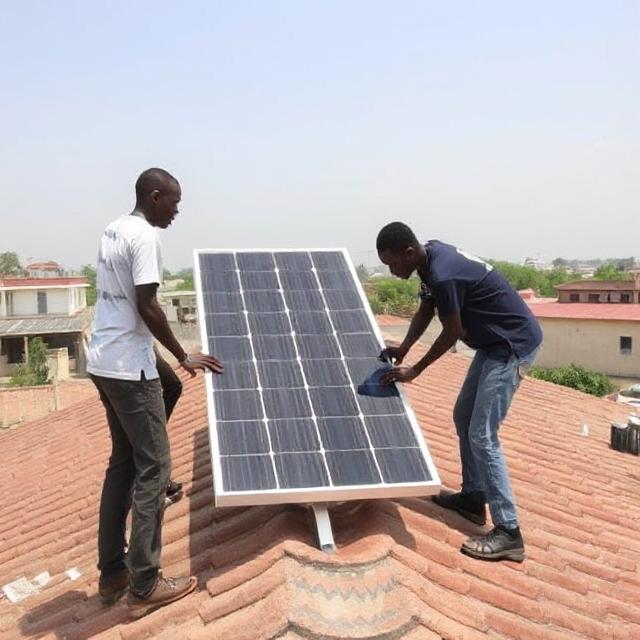
The community outcomes are just as significant. Picture entire neighborhoods with affordable solar streetlights installed by local technicians. Imagine rural clinics able to refrigerate vaccines without worrying about power cuts. Visualize schools where children can study under steady light instead of kerosene lamps. With trained solar technicians on the ground, these visions become realities.
Over time, the ripple effects multiply. Families reduce expenses on fuel, businesses remain productive, and carbon emissions fall as generators are replaced. Solar technicians, once trained, can also mentor others—spreading knowledge and opportunities even further.
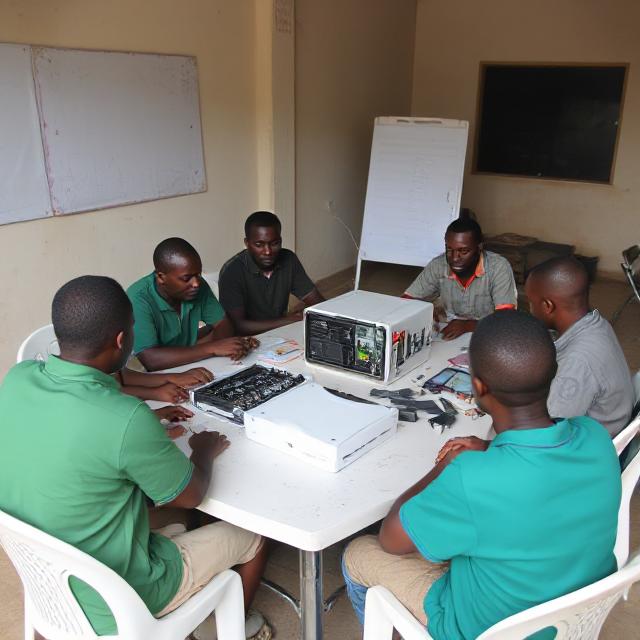
Ultimately, this is about more than power supply. It is about hope, self-reliance, and community resilience. In the hands of Kano’s youth, sunlight is no longer just heat it is opportunity, innovation, and empowerment.